
The Origins of Gambling
The journey of gambling dates back thousands of years, with its origins rooted in ancient civilizations. Archaeological evidence suggests that gambling-like activities existed as early as 3000 BC in China, where rudimentary games were played with dice made from bone. These early forms of gaming laid the groundwork for more structured activities, reflecting not only entertainment but also social and economic rituals of the time. Ancient Egyptians also engaged in gambling, with evidence of betting on games of chance depicted in their hieroglyphics. Interestingly, if you're looking to explore thrilling online options, abigcandy2.com provides more than 300 games.
As cultures evolved, so did gambling practices. The Romans, for example, embraced games of chance, particularly during gladiatorial events. They often placed bets on the outcomes of these contests, highlighting a societal integration of gambling into entertainment. The popularity of dice and betting on games spread through conquests and trade, intertwining gambling with various cultures across Europe, Asia, and beyond.
This early period of gambling was characterized by a blend of superstition and chance. Many societies viewed gambling as a way to divine the future or please the gods. The randomness associated with games allowed individuals to escape the mundane aspects of life, drawing people together through shared excitement and potential fortune. Thus, gambling's roots became entrenched in social fabric across civilizations.
The Rise of Formalized Gambling
By the Middle Ages, gambling began to take on a more structured form, particularly in Europe. The introduction of card games marked a significant development, with the first known decks appearing in Italy around the 14th century. These games quickly gained popularity, leading to the establishment of gambling houses where individuals could congregate and place bets on various games. The advent of the printing press further fueled this trend, allowing for the widespread dissemination of game rules and strategies.
The 17th century saw the emergence of dedicated gambling establishments, with the establishment of casinos in places like Venice. These venues became social hubs, combining gaming with fine dining and entertainment. The Casino di Venezia, for example, opened its doors in 1638 and remains one of the oldest casinos in the world. Such establishments not only formalized gambling but also contributed to its acceptance in society, transforming it from a clandestine activity into a prominent feature of urban life.
As gambling continued to gain traction, so too did the regulatory framework surrounding it. Governments recognized the potential for tax revenue from gambling activities, leading to the legalization and regulation of various forms of betting. This evolution from informal games to legalized gambling paved the way for modern betting practices, establishing a foundation for the multifaceted industry that exists today.
The Impact of the Industrial Revolution
The Industrial Revolution brought about significant changes in society and the economy, which also influenced the gambling landscape. Urbanization led to a greater concentration of people in cities, many of whom sought leisure activities, including gambling. The expansion of railways made it easier for individuals to travel to gambling destinations, such as Monte Carlo and Las Vegas, which emerged as iconic centers of gaming in the 20th century.
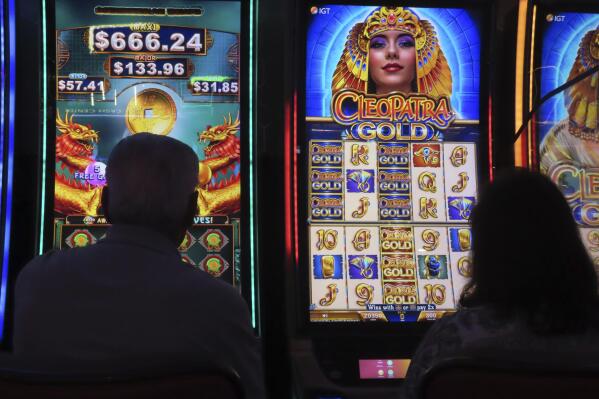
Technological advancements during this period also played a pivotal role in transforming gambling. The introduction of the mechanical slot machine in the late 19th century revolutionized the industry, offering a new, exciting way for people to engage in gaming. This innovation was soon followed by the development of roulette and other table games, drawing in a diverse range of players. The allure of quick wins and the thrill of chance captivated audiences, leading to a surge in gambling popularity.
Furthermore, the societal shifts brought on by the Industrial Revolution influenced gambling behavior. As people sought escapes from the rigors of daily life, gambling provided an exhilarating outlet. However, this increase in participation also led to concerns about addiction and the need for responsible gaming practices, prompting discussions about the balance between entertainment and risk.
The Modern Era of Gambling
The late 20th and early 21st centuries marked a new era for gambling, characterized by technological innovation and the rise of online gaming. The internet revolutionized how people engage with gambling, offering unprecedented access to a wide range of games and betting options. Online casinos, poker rooms, and sports betting sites became commonplace, allowing individuals to gamble from the comfort of their homes.
Moreover, the advent of mobile technology further changed the landscape, enabling players to place bets on their smartphones and tablets. This accessibility not only broadened the audience for gambling but also diversified the types of games available, from traditional table games to innovative new formats. The integration of live dealer games bridged the gap between online and physical casinos, creating immersive experiences for players.
As the industry evolved, so did the regulatory environment. Many jurisdictions moved to legalize and regulate online gambling, recognizing the potential for economic benefits while prioritizing player protection. This transition has allowed for safer gambling practices, encouraging responsible gaming behaviors while providing a legitimate framework for the industry to thrive.
Explore the Thrills of Gambling Today
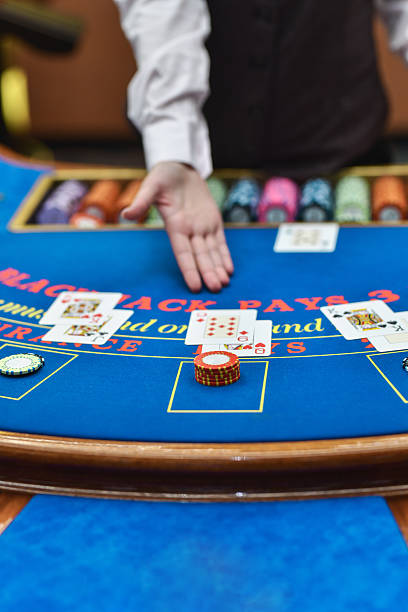
Today, gambling has transformed into a multifaceted global industry, appealing to a diverse array of players. The evolution from ancient rituals to sophisticated online platforms demonstrates gambling's enduring allure. As technology continues to advance, the future of gambling promises to be even more exciting, with innovations like virtual reality and blockchain technology reshaping the landscape.
For those looking to embark on their own gambling adventure, numerous platforms offer a thrilling array of options. Whether you prefer traditional table games or the latest video slots, the modern gaming experience caters to every taste. Players can enjoy generous bonuses, promotional offers, and an array of games from the comfort of their own homes or on the go.
Ultimately, as you delve into the world of gambling, remember to engage responsibly. The fascinating journey of gambling through the ages highlights not only the excitement and entertainment it offers but also the importance of maintaining a balance between fun and responsible play. Embrace the adventure, but always gamble wisely.